JIMTOF 2026
26.10.–31.10.2026




Designed for high-volume generating grinding and polish grinding in large-scale production, the Höfler Speed Viper Cylindrical Gear Grinding Machine is available in three different machine models to suit individual requirements: Speed Viper 300 in a single-spindle configuration, and Speed Viper² 180 and 80 in a dual-spindle configuration. The Speed Viper is designed for maximum workpiece diameters of 80, 180, and 300 mm, depending on the model. The Speed Viper² dual-spindle concept ensures minimal non-productive time.
With a partial or full automation system, the Speed Viper can also be equipped with an automation interface that meets the VDMA 34180 standard. The Gear Operator machine software and a process-oriented navigation system via wizard technology make operation easy, even in the most complex applications. Last but not least, modern drive and control technology guarantees maximum energy efficiency.
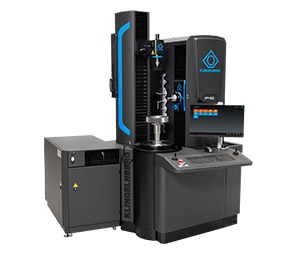
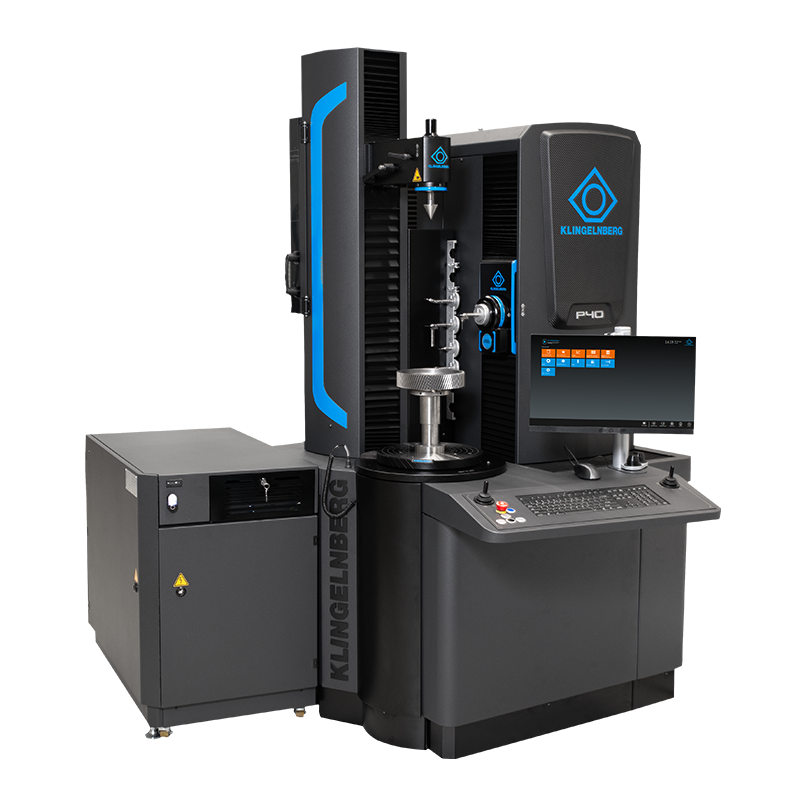
The fully automatic, CNC-controlled P 40 precision measuring center is the ideal complement to production and sets new standards in quality assurance. The compact device is designed for workpieces with a diameter of up to 400 mm and enables the precise inspection of cylindrical gears, cutting and shaving wheels, worms and worm gears, hobs, bevel gears, and general dimensional, shape, and positional deviations on rotationally symmetrical workpieces. In addition, the P 40 is also suitable for measuring camshafts and rotors.
Thanks to integrated temperature compensation, the measuring center delivers reliable results even at ambient temperatures of +15 °C to +35 °C – directly in production. Fast and precise measurement data acquisition is supported by a high-precision workpiece rotary table. A wide range of measuring tasks, such as coordinate, shape, gear, and roughness measurements, can be performed in a single setup. The versatile, scanning 3D touch probe system with digital measurement value acquisition in all coordinate directions ensures maximum accuracy and low tolerances. The simple, graphical programming environment and intuitive software operating concept enable convenient handling. The rapid availability of measurement results results in significant time savings in the production process.
The measurement technology in the R 300 Höfler Cylindrical Gear Roll Testing Machine can reliably determine the root causes of gear noise resulting from poor gear quality. Due to the short measuring time, the R 300 can be easily integrated into any manufacturing process and enables 100 % quality control of the gears produced. The R 300 is designed for all roll testing processes that are relevant for evaluating the running behavior and noise behavior of gears. These include the single flank test, the structure-borne noise test, and the torsional acceleration test. The double flank test can also be performed if needed.
Depending on its equipment, the R 300 enables testing of gears and shafts, a particularly important factor for components in an electric vehicle drivetrain system (eDrive). Due to 100% quality control, a considerable amount of data is generated compared to random sampling. For data analysis and reporting, the data from the R 300 can be processed appropriately using the Klingelnberg Gear Noise Analyzer (GNA) software and tolerances developed for production monitoring.

Quiet Bevel Grinding is Klingelnberg’s solution for optimizing the noise characteristics of ground bevel gears. It involves applying a low-frequency harmonic variation in machine kinematics from tooth space to tooth space to individually modify the topographies of each tooth flank. As a result, individual tonal frequencies are excited and sound energy is distributed across other frequencies. The resulting sound resembles a multi-frequency noise similar to that of lapped gear sets, which is perceived as significantly more pleasant to the human ear.
In production, the appealing feature of Quiet Bevel Grinding is that it can be implemented without affecting cycle times and does not interfere with gear measurement. Thanks to the targeted distribution of modifications around the component’s perimeter, the tried-and-tested Closed Loop can easily be used.

Data-driven quality management (DDQM) is the key to the future of production for us. The focus is on the consistent use and intelligent networking of all relevant production data. The aim is to use this data specifically to control, increase, and optimize the final quality of workpieces.
A holistic DDQM enables potential problems to be identified at an early stage and response times within production to be drastically reduced – even before the workpieces leave the production hall. With DDQM, we develop comprehensive software components that provide valuable information about cause-and-effect relationships, thus enabling preemptive quality control.
Smart Tracing is a web-based software that comprehensively analyzes the behavior of all types of CNC machines—from machining centers to complex production facilities—using the most common control systems. By uploading, managing, and evaluating servo traces in conjunction with relevant process and performance data, control, regulation, and contour deviations as well as other performance indicators are made visible. This makes it possible to identify and evaluate cause-and-effect relationships for both individual machines and entire production lines in a targeted manner.
With Smart Tracing, high-frequency recorded signals can not only be analyzed, but also archived, compared, and checked for tolerance. This allows faults, vibrations, changes in stiffness, and process deviations in the manufacturing process to be identified at an early stage. The software thus supports predictive maintenance and contributes significantly to the optimization of production processes —and not just for Klingelnberg machines.


Smart Factory is revolutionizing how products are designed, built, and delivered. Through the integration of IoT, AI, and real-time data analytics, factories are becoming more intelligent, efficient, and adaptive than ever before. From predictive maintenance that minimizes downtime to digital workflows that streamline operations, Smart Factory unlocks higher productivity, reduced costs, and improved quality. The future of the industry isn’t just automated—it’s connected, data-driven, and optimized for peak performance. Our team of experts will be presenting this new solution at the JIMTOF trade fair in Tokio.
The performance of a machine stands and falls with the quality of the tools and clamping devices used. This is why Klingelnberg is also setting new standards in this area – with maximum precision, reliability and innovative technology. At JIMTOF, visitors can expect not only a comprehensive range of new products from the fields of machines, quality and software solutions, but also pioneering developments and innovations in the field of tooling systems.

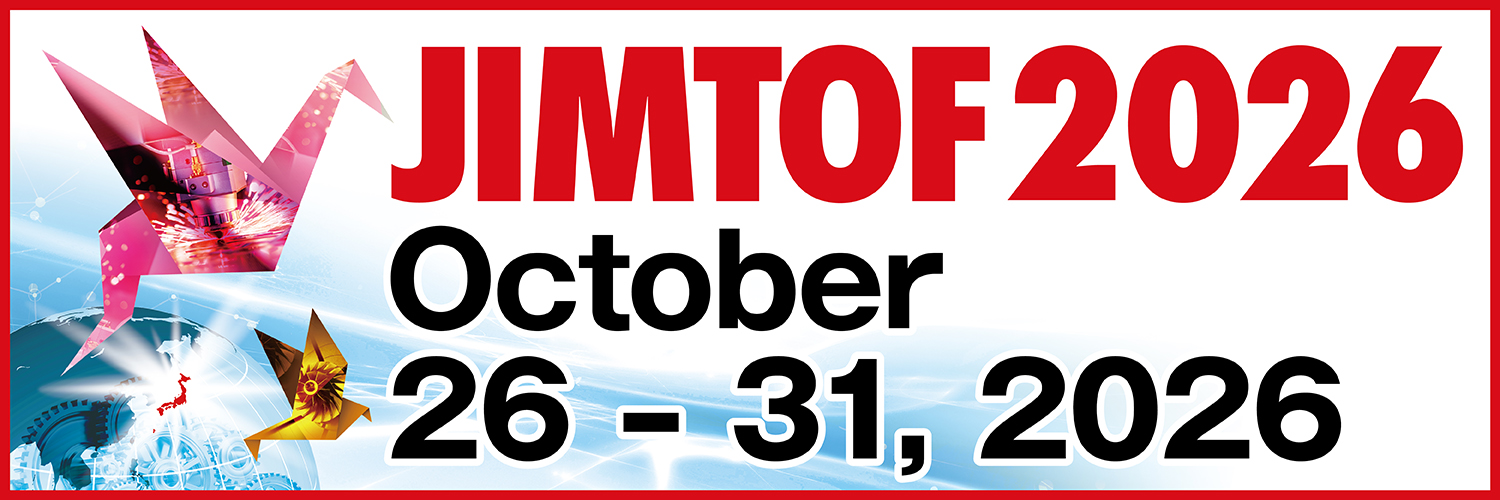
JIMTOF 2026, the 33rd International Machine Tool Fair in Japan, will take place at Tokyo Big Sight from October 26 to 31, 2026. Over the course of six days, JIMTOF will showcase the latest developments and innovations in the machine tool industry and serve as a central platform for international exchange among experts, companies, and trade visitors. Klingelnberg Japan Ltd. will be represented with a booth and will showcase its technologies using virtual machine exhibits and simulations.
We would be happy to send you a free admission voucher. Please fill out the below contact form and check your spam folder.